Your Ramadan 2026 Guide: Everything You Need to Know
Discover everything you need to know about Ramadan 2026, from key dates, fasting, Laylat al-Qadr, and charity, to how Islamic Help supports families worldwide during this blessed month. Prepare for a meaningful and impactful Ramadan with this complete guide.

As Ramadan 2026 approaches, many of us begin to reflect, prepare, and reconnect with the deeper meaning of this holy month. And you might be wondering, what exactly makes Ramadan so special, and how can I make the most of it this year?
Let’s walk through it together, step by step, just as we do at Islamic Help when planning our own Ramadan campaigns around the world.
So, what makes Ramadan such an important month?
Ramadan sits at the heart of our faith. It’s one of the Five Pillars of Islam, and for Muslims worldwide, it’s a month centred on fasting, prayer, compassion, and growth.
You’ll often hear people say, “Ramadan changes you,” and it truly does. From dawn to sunset, we fast, not just from abstaining from food and drink, but from negative habits and distractions, so that we can return to what truly matters.
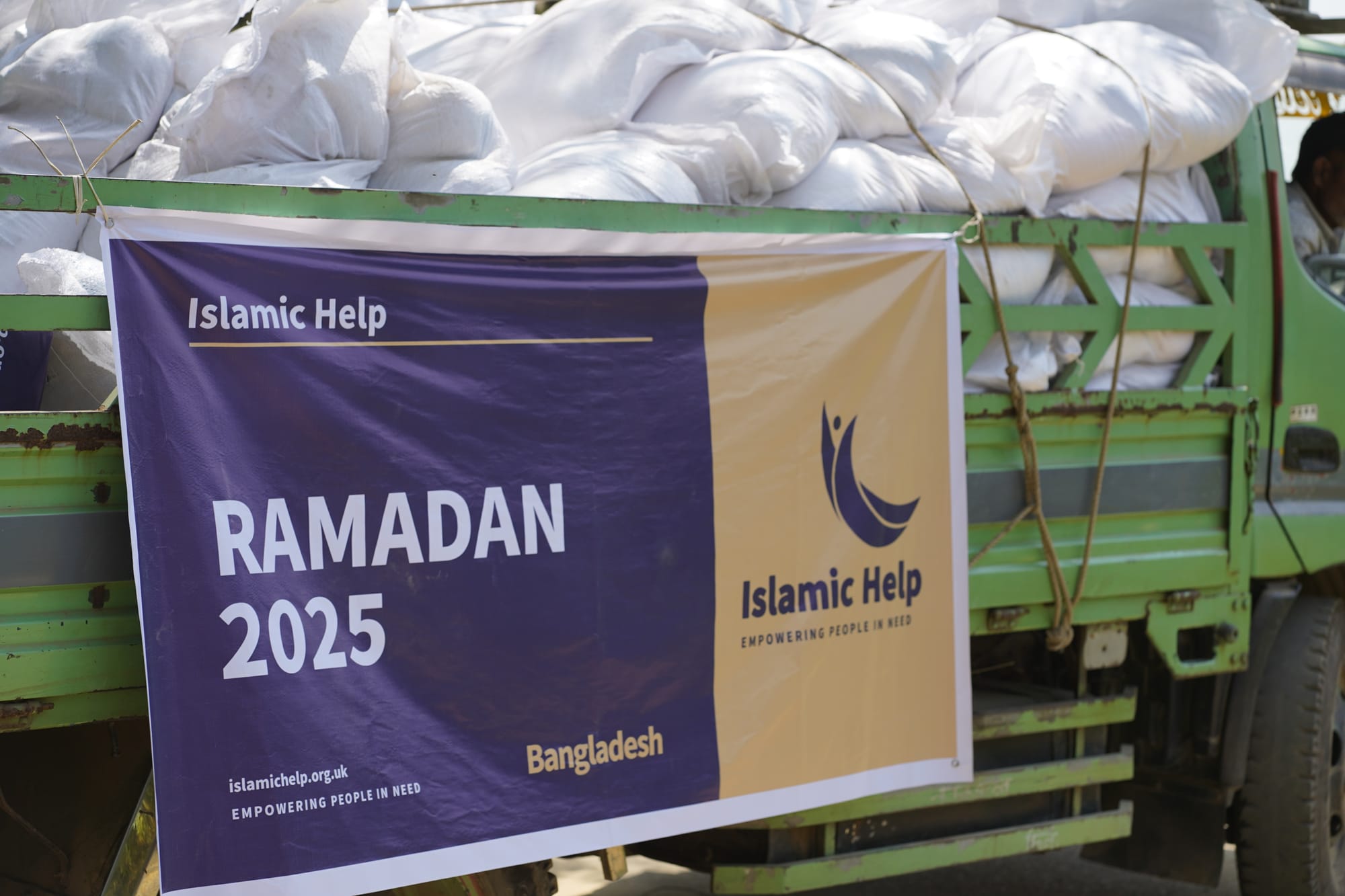
At Islamic Help, this spirit inspires all our Ramadan efforts, whether we’re delivering life-saving medical aid inside Gaza, providing food packs for families who would otherwise go without, or supporting children through our global Orphan Care programme.
What exactly is Ramadan, and why do Muslims fast?
Ramadan is the ninth month of the Islamic calendar, following the lunar cycle. As it follows the moon, it moves earlier each year by about 10–12 days. People observe Ramadan for 29 or 30 days, depending on when the crescent is sighted.
Fasting during Ramadan, known as Sawm, isn’t just about going hungry. It’s about self-discipline, spirituality, gratitude, and empathy.
You might ask yourself: Why does fasting increase empathy? It is because when you feel hunger each day, even for a few hours, you naturally remember those who experience hunger every day of their lives. That’s why, during Ramadan, Islamic Help intensifies its food aid programmes and encourages supporters to donate meals to families in need.
Fasting also allows believers to focus on worship, reciting the Qur’an, and purifying their thoughts and actions.
Where did Ramadan come from, and what’s its spiritual purpose?
Ramadan dates back to the seventh century, when Muslims believe the Qur’an was first revealed to the Prophet Muhammad (peace be upon him) on Laylatul Qadr, the Night of Power. This night is described as better than a thousand months of worship.
This means Ramadan isn’t just a ritual; it’s a connection to revelation, history, and spiritual awakening. For centuries, Muslims have gathered to recite the Qur’an, pray together, reflect, and renew their faith.
Today, we continue that legacy not only in our homes and mosques, but also through collective acts of goodness. At Islamic Help, this is the blessed month when we see the ummah at its strongest, donating, volunteering, praying, and standing with communities in crisis.
How do Ramadan 2026 dates work?
Because Ramadan follows the lunar calendar, dates vary by location. The Islamic month has 354 or 355 days, so Ramadan moves earlier each year compared to the Gregorian calendar.
Ramadan 2026 is expected to fall in late February, meaning many Muslims will have shorter fasting days. Some forecasts suggest the month may begin around Wednesday, 18th February 2026, although this remains dependent on moon sighting.
Ramadan 2026 will likely include:
- Shorter fasting days for many regions, since it falls near the end of winter.
- Active community events, including iftars and nightly Taraweeh prayers.
- Increased charitable giving, as Muslims fulfil Zakat and Sadaqah obligations, especially Zakat al-Fitr before Eid al-Fitr.
At Islamic Help, we use the lunar calendar to coordinate everything from food distributions to medical missions, ensuring families receive support exactly when they need it.
What is daily life like during Ramadan?
If you’ve experienced Ramadan, you know it has its own rhythm.
Your day begins with suhoor, the pre-dawn meal. It might be simple, oats, fruit, dates, or something warm, but it carries immense blessings.
Once the fast begins, the hours become a mix of worship, work, patience, and reflection. And then comes iftar, the moment of relief. Most Muslims break their fast with dates and water, following the Sunnah, before enjoying a meal with family or community.
Taraweeh prayers fill the nights, offering a peaceful space to reflect and recite the Qur’an.
Around the world, Islamic Help supports this rhythm:
- By delivering iftar meals to displaced families in Gaza.
- By building water solutions so that communities can break their fast with clean water.
- By supporting orphans with essential care.
- By helping flood-affected families in Pakistan rebuild their lives.
Who is expected to fast and who is exempt?
Islam is incredibly merciful. Those exempt from fasting include:
- Children under the age of puberty.
- The elderly.
- Pregnant or nursing women.
- Those with chronic or serious illness.
- Travellers on long journeys.
If someone truly cannot fast, they can feed a person in need instead, a form of charity known as Fidya. Islamic Help distributes Fidya meals every Ramadan to ensure no family is left hungry.
What role does charity play in Ramadan?
If Ramadan had a heartbeat, it would be charity. Giving increases naturally in this month, and many Muslims prepare early so they can give on key dates, especially toward the end of Ramadan.
Zakat, Sadaqah, Fidya, and Zakat al-Fitr all play vital roles, helping:
- Families in Gaza receive urgent medical care.
- Children in our orphan programmes access education and support.
- Communities rebuild after disasters.
- Families facing hunger receive food packs.
- Communities in poverty have access to clean and safe water.
Donate this Ramadan and support families in urgent need.
What is Laylat al-Qadr?
This is the night many Muslims look forward to the most, Laylatul Qadr, the Night of Power.
You might wonder, “Which night is it exactly?” While its precise date is unknown, it’s believed to fall within the last ten nights of Ramadan, often an odd-numbered night.
Worship on Laylatul Qadr is believed to be more rewarding than worship for over a thousand months.
During this period, the number of Muslims increases:
- Prayer
- Qur’an recitation
- Charity
- Reflection and repentance
What happens at the end of Ramadan?
Eid al-Fitr 2026 will mark the end of fasting. It’s a day of joy, community, celebration, and gratitude.
Before Eid prayers, Muslims give Zakat al-Fitr, ensuring that even the most vulnerable can celebrate with dignity. Islamic Help distributes this essential charity to families in need worldwide.
How can I prepare for a meaningful Ramadan 2026?
If you’re thinking, “How do I make this Ramadan truly meaningful?” here are some simple steps:
- Set clear spiritual goals for the month.
- Create a daily routine for Qur’an and prayer.
- Plan suhoor and iftar in advance to reduce stress.
- Dedicate time for reflection and self-improvement.
- Choose a charitable cause to support consistently.
- Engage your family and community in acts of goodness.
So, what is the enduring message of Ramadan?
Ramadan is a month that softens hearts, deepens faith, and strengthens communities. It teaches compassion, patience, and generosity, qualities we carry long after the month ends.
At Islamic Help, we witness this transformation every year:
- In the generosity that sends surgeons and medical aid into Gaza,
- In the compassion that feeds a family for an entire month,
- In the kindness of that sponsor, a child who has lost everything.
Ramadan reminds us that even the smallest act of goodness can be life-changing, and together, we make that change possible.
Give your Ramadan 2026 donation today and transform a life.
Frequently Asked Questions (FAQs)
When is Ramadan 2026?
Ramadan 2026 is expected to begin in late February or early March, depending on the sighting of the new crescent moon. Most forecasts suggest it may start around 18 February 2026, but the exact date will be confirmed the night the moon is sighted.
How long is Ramadan?
Ramadan lasts 29 or 30 days, depending on the lunar cycle and local moon sighting. Each Islamic month varies slightly because it follows the phases of the moon, so the length of Ramadan can differ from year to year and from country to country.
When does Ramadan 2026 end?
Ramadan ends when the next new moon is sighted, marking the beginning of Shawwal. In 2026, Ramadan is expected to end around 19 or 20 March, though the exact date will be confirmed locally based on moon sighting.
What day is Eid?
Eid al-Fitr begins the day after the final fast of Ramadan. In 2026, Eid is expected to fall on 20 March, but this depends on the confirmed sighting of the new crescent moon on the last night of Ramadan.
Why is Ramadan getting earlier?
Ramadan shifts earlier each year because the Islamic calendar is lunar, consisting of 354–355 days, about 10–12 days shorter than the solar Gregorian calendar. As a result, Ramadan gradually moves backwards through the seasons over a 33-year cycle.
What are the two Eid dates in 2026?
In 2026, Eid al-Fitr is expected on 19 or 20 March, depending on moon sighting. Eid al-Adha is likely on 27 or 28 May 2026. The two Eids are roughly 10 weeks apart, though exact dates will be confirmed closer to the time.