Medical Aid for Palestine: Dr Andy Ferguson
Dr Andy Ferguson is a UK GP and public health specialist known for more than 14 years of humanitarian medical work in Gaza and Palestine. His leadership, clinical expertise and commitment to emergency care have made him a vital figure in global health and medical relief efforts.
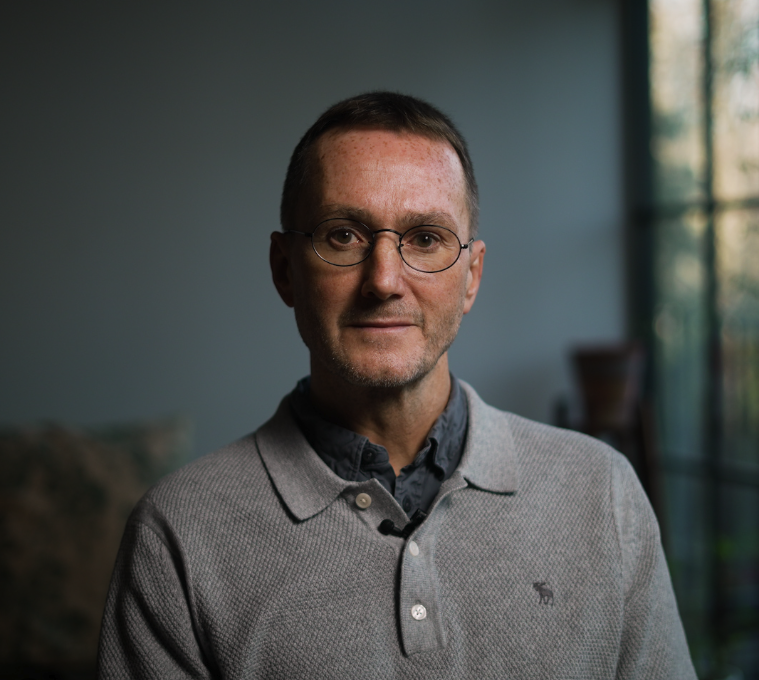
Dr Andy (Andrew) Ferguson is a UK general practitioner and public health specialist known for his long commitment to humanitarian medicine, especially in Palestine. For over a decade, he has worked on the front lines in some of the world’s toughest medical settings, balancing clinical care with leadership in global health organisations. His work demonstrates strong medical skills and a deep dedication to patients facing extreme hardship, making him a leading example of humanitarian healthcare in conflict zones.
A Career Rooted in Service and Global Health
Dr Ferguson’s career goes well beyond typical primary care. Although he is trained and works as a GP, he has focused much of his work on conflict medicine, improving health systems, and emergency response. For more than 14 years, he has regularly travelled to Gaza, working in hospitals under tremendous pressure from conflict, limited resources, and mass-casualty situations.
During these trips, he has become known for his medical skill, steady leadership, compassion, and ability to work well under pressure. His continued work in Gaza has earned him strong respect from Palestinian medical staff, who see him as a dedicated partner in providing care during a crisis.
Leadership Roles in Humanitarian Organisations
Dr Ferguson’s impact is even greater because of his leadership roles in major medical and relief organisations. His approach matches the values of groups like Doctors Without Borders, especially in providing fair medical care and supporting vulnerable communities under threat.
Medical Aid for Palestinians (MAP) – Director of Programmes
As Director of Programmes for Medical Aid for Palestinians (MAP), Dr Ferguson helped manage a wide range of health projects in Gaza, the West Bank, and Lebanon. He was closely involved in planning programs that support:
- Trauma and emergency care.
- Maternal and child health services.
- Psychosocial and mental health support.
- Long-term health system resilience.
- Essential medical relief in Gaza.
This job needed both medical knowledge and skills in public health, operations, and program management. At MAP, he was key in planning emergency responses, ensuring medical teams had the support, advice, and resources they needed to save lives.
Co-Chair of IDEALS – International Disaster and Emergency Aid with Long-Term Support
Dr Ferguson is also Co-Chair of IDEALS, a charity that sends surgical and medical teams to conflict and disaster areas. With IDEALS, he has played a significant role in the Surgeons for Gaza project, which provides specialist surgical support to hospitals treating many trauma cases.
In this role, Dr Ferguson works both directly with patients and as a leader. He provides care during trips, helps organise teams, records needs, and supports long-term planning. His work with IDEALS ensures that help for Gaza is quick, lasting, well-planned, and tailored to local needs.
Frontline Medical Work in Gaza
Dr Ferguson’s reputation comes from his many years of direct work in Gaza’s hospitals. On several trips, he has worked in places like the European Hospital in Khan Younis, treating patients with:
- Severe trauma and blast injuries.
- Shrapnel and gunshot wounds.
- Complex surgical and emergency care needs.
During one trip, he worked through Christmas and New Year while fighting an increase in southern Gaza. He has spoken publicly about the tough challenges medical teams faced then: running low on anaesthetics, not enough medicines, and a constant flow of injured patients as hospital systems broke down.
Even with these harsh conditions, Dr Ferguson often points out the remarkable strength and professionalism of Gaza’s doctors, nurses, and support staff. He frequently talks about their courage and determination in situations that most health workers never face.
Help Provide Lifesaving Medical Care in Gaza
Commitment to Advocacy and Public Awareness
Besides his clinical and program work, Dr Ferguson is also a leading advocate for public health in Palestine. He has spoken in interviews, at panel events, and in the media, including on Channel 4 News, where he has shared clear, evidence-based stories about what Palestinian healthcare workers and patients face.
His advocacy emphasises:
- The protection of medical staff and facilities.
- The urgent need for humanitarian access.
- The psychological toll on children, patients, and clinicians.
- The long-term consequences of repeated conflict on public health.
- The importance of humanitarian healthcare as a global duty.
Dr Ferguson’s credibility comes from his direct experience. When he talks about Gaza, he speaks as someone who has worked closely with local medical teams for over ten years.
Collaboration With Islamic Help
Dr Ferguson has also worked with Islamic Help, supporting their efforts to raise awareness and help meet Gaza’s medical needs. His work with them includes:
Helping Matters Podcast
He was a guest on Islamic Help’s podcast, Helping Matters, in an episode called “Gaza’s Medical Frontline - Leading, Healing, Supporting.” There, he talked about his experiences, the daily challenges in Gaza’s hospitals, and his work with IDEALS and Surgeons for Gaza.
Meet the Medics of Gaza
He was also a headline guest at Islamic Help’s “Meet the Medics of Gaza” fundraising dinner in Luton, speaking directly to supporters about his deployments and the urgent needs of Gaza’s health system. His contribution helped inspire donors and raise crucial funds for medical relief in Gaza and Palestine.
These partnerships show Dr Ferguson’s commitment to working on the front lines, educating the public, and encouraging support for those who need it most.
A Voice of Experience and Humanity
Dr Ferguson’s work is driven by profound respect for the people of Palestine. Over the years, he has seen great suffering, resilience, and courage. He often talks about the strength of the communities he serves, the dedication of local medical staff, and the personal stories from each trip.
He is trusted in humanitarian medicine because he combines medical skill with empathy and humility. Whether he is treating patients, leading a team, or speaking to the public, Dr Ferguson shows clarity, compassion, and strong commitment.
A Lasting Legacy of Care
Today, Dr Ferguson is still one of the most experienced UK doctors working in Gaza. His leadership, frontline work, and public advocacy have made a real difference for patients, hospitals, and the broader humanitarian effort.
His dedication for over 14 years shows not just a professional duty, but also a commitment to excellence. Still, there is a deep personal commitment to making sure the people of Gaza get the healthcare, dignity, and support they deserve.
Dr Andy Ferguson’s work continues to show the power of compassion, skill, and ongoing support in the face of significant challenges.
Support Gaza's Medical Aid Today
Frequently Asked Questions (FAQs)
What challenges do doctors face when providing medical care in conflict zones like Palestine?
Doctors in conflict zones face shortages of supplies, damaged hospitals, and large numbers of casualties. They also navigate security risks and unstable conditions, requiring adaptability and resilience to provide adequate care under constant pressure.
How do humanitarian medical organisations support health services in war-torn areas?
Organisations deploy medical teams, supply essential medicines, and train local staff. They work to rebuild health systems and maintain care despite ongoing violence, ensuring life-saving treatment reaches vulnerable populations.
What qualifications do medical professionals need to work in emergency humanitarian missions?
Professionals typically need trauma or public health training, experience in low-resource settings, and the ability to work under stress. Skills in cultural sensitivity and emergency response are also vital.
How is trauma surgery different in conflict zones compared to peaceful hospitals?
Surgeons treat more blast injuries and gunshot wounds with limited resources. Care is often urgent and conducted amid disrupted infrastructure, requiring rapid decision-making and improvisation.
How do international teams collaborate with local healthcare workers in conflict areas?
They partner closely, sharing knowledge and resources while respecting local customs. Building local capacity through training helps sustain healthcare beyond immediate crises.
What role does medical education play in fragile health systems during conflicts?
Training local clinicians strengthens health services in the long term, enabling continued care when international teams leave. Education builds resilience to withstand ongoing or future crises.