Deployment 2: Emergency Medical Mission to Gaza
Islamic Help’s second emergency medical mission to Gaza took place in January 2024 during a severe hospital crisis. With supplies running out and millions struggling to access care, our specialist team delivered life-saving surgery and vital support to Gaza’s overwhelmed health system.
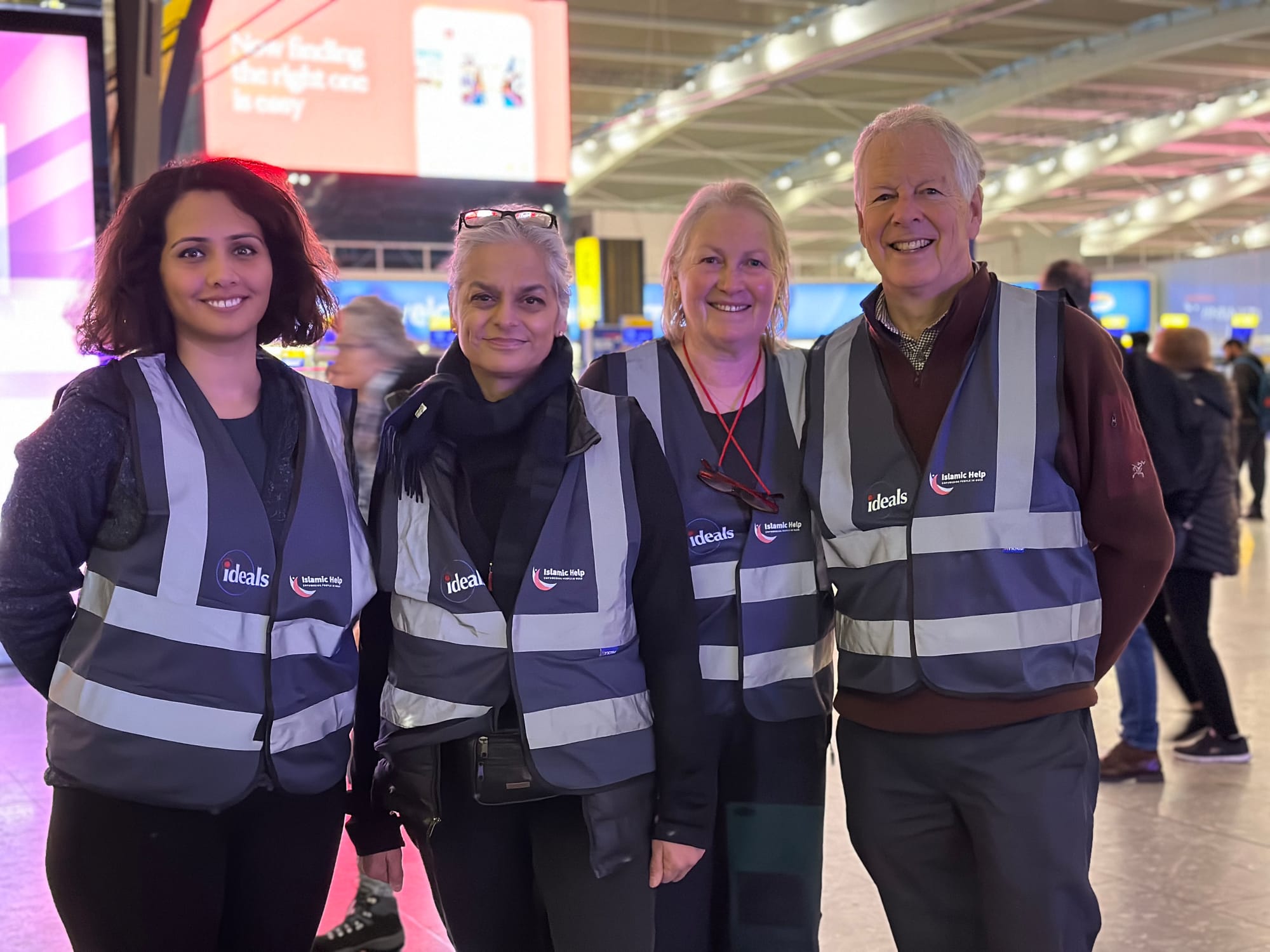
On 21 January 2024, Islamic Help sent its second emergency medical team to the Gaza Strip as the Gaza hospital crisis continued to worsen. Hospitals were full, supplies were running out, and the health system across the occupied Palestinian territory was under extreme pressure. Millions of people in Gaza were struggling to find food, water, medical care, and safe shelter as the conflict and pressure from Israeli forces continued. This mission was part of our promise to keep providing medical aid Gaza and support families during one of their hardest moments.
This second mission built on our first deployment. We sent specialist trauma and plastic surgeons to treat the rising number of serious injuries. Their goal was simple but vital: save lives, support tired local surgeons, and stand with Gaza’s health workers as they faced extremely difficult conditions every day.
Entry Into Gaza
The team entered the region on 21 January. The next day, 22 January, they joined a UN convoy at 06:00 to travel across the Sinai. There were delays at several checkpoints, which meant they could not cross into Gaza that afternoon. Instead, they stayed overnight in Al Arish and finally entered Gaza the next morning. They then travelled to the European Gaza Hospital (EGH) in Khan Younis.
Like Deployment 1, this journey showed how difficult it is for humanitarian groups, including the World Health Organisation, the Red Cross and Red Crescent, and others, to move supplies and teams into Gaza. Long waits, sudden changes, and limited approvals slowed down both medical staff and urgent medical evacuation efforts.
Not everyone was allowed to enter. At 23:45 on 21 January, Islamic Help was told that Clare Haworth, a registered nurse, had been denied permission by Israeli authorities. She had to return to the UK. Her absence was deeply felt, especially as huge numbers of injured patients were arriving at EGH every day.
Medical Team
Because there was no ceasefire, only a small team was allowed to travel:
- Sarah Phillips – Consultant Trauma & Orthopaedic Surgeon (Team Leader)
- Tim Goodacre – Consultant Plastic Surgeon, Past Vice President Royal College of Surgeons
- Rossel Morhij – Senior Plastics Trainee (Arabic speaker)
- Clare Haworth – General Registered Nurse – denied entry
Even though the team was small, they were highly skilled. They brought expertise in trauma, burns, limb reconstruction, and complex wound care, all urgently needed during the Gaza hospital crisis. They worked closely with the Ministry of Health, local District Health teams, and international EMT units, all of whom were struggling with damaged buildings and conflict in nearby areas such as Deir al Balah.
Mission Objectives
The aims of Deployment 2 were clear:
- Treat the overwhelming number of war-related injuries.
- Provide specialist trauma and plastic surgery support across hospitals in Gaza and the West Bank.
- Support local surgeons who were exhausted, overstretched, and running low on supplies.
- Treat complex injuries like burns, limb trauma, shrapnel wounds, and deep soft-tissue damage.
- Strengthen hospitals that were working under extreme pressure with very limited communication and coordination.
This mission supported Islamic Help’s ongoing efforts to provide humanitarian aid in Palestine and keep delivering medical aid to Gaza in the middle of a growing crisis.
Clinical Activity Report
During their 16-day deployment, the team carried out:
130 Consultations
They treated children, adults, and elderly patients with many different injuries.
49 Surgeries
This number was higher than in Deployment 1 because many procedures were small wound-care surgeries. These were still very important, as they prevented infections and helped stabilise patients.
Nerve Blocks: 0
Total medical interactions: 179
Many of the patients had survived bombardments, collapsing buildings, or injuries from overcrowded shelters. The health system in Gaza was struggling, so every consultation and surgery made a real difference.
The team worked closely with:
- Ahmed Mokahalati – Local Plastic Surgeon
- Local orthopaedic teams rotating every 3 days
This teamwork was essential because EGH was hosting several international teams, all trying to help the remaining medical services keep going.
Challenges on the Ground
Deployment 2 revealed several significant challenges:
1. Delays in getting surgical supplies into Gaza
These delays affected Islamic Help and other groups, including the Red Cross and Red Crescent, WHO, and others.
2. Extremely high patient numbers
The workload was huge, and without the nurse who had been denied entry, the team faced even more pressure.
3. Limited pre-deployment information
Future teams would benefit from more precise details about hospital systems, theatre schedules, transport risks, and medical evacuation procedures.
Even with these issues, the team continued providing life-saving care every day.
Follow-Up Missions
The team strongly recommended sending more medical teams:
“We recommend that further teams continue this work… the needs are huge and ongoing.”
With continued bombardments, damaged infrastructure, and severe shortages, Gaza urgently needs ongoing trauma care, long-term recovery planning, and regular rotations of emergency medical teams.
Will the Same Doctors Go Again?
Yes. Several team members said they are very willing to return. Their experience working in Gaza, supporting local surgeons, and navigating conflict conditions makes them incredibly valuable for future missions.
Lessons Learned for Future Missions
Deployment 2 highlighted key improvements for next time:
Bring essential surgical supplies
Local stores were often empty, so teams must arrive fully stocked.
Improve communication
Better coordination leads to better patient prioritisation and smoother theatre planning.
Plan logistics earlier
Moving equipment, arranging safe travel between hospitals, and knowing local limits are still major challenges in the Gaza Strip.
Why This Work Matters
Deployment 2 demonstrated the importance of Islamic Help’s work in providing medical care and humanitarian support to Gaza. Every mission becomes a lifeline for communities with little access to hospitals, supplies, or emergency treatment.
As the Gaza hospital crisis continues, and as millions in Gaza face ongoing uncertainty, the support of donors allows us to stand beside medical teams, reinforce local hospitals, and save lives where help is needed most.
Islamic Help remains committed to supporting people in Gaza, strengthening the health system, and providing humanitarian aid in Gaza and the West Bank for as long as the crisis continues.
Frequently Asked Questions (FAQs)
What is Islamic Help’s medical mission in Gaza?
Islamic Help’s medical missions to Gaza send specialist trauma and plastic surgeons into overwhelmed hospitals to provide life‑saving surgery, support exhausted local doctors, and strengthen a collapsing health system. These teams treat war‑related injuries, burns and limb trauma, while bringing essential surgical supplies and working alongside the Ministry of Health and international medical partners.
Why does Gaza urgently need emergency medical teams?
Gaza’s hospitals are overcrowded, under‑resourced, and operating under constant threat, with severe shortages of medicines, equipment, fuel, and staff. Continuous bombardment, displacement, and damage to health facilities mean millions struggle to access surgery, basic treatment, or safe shelter, so emergency medical teams are essential to keep critical services running and save lives every day.
What did Islamic Help’s second deployment to Gaza achieve?
During the 16‑day second deployment, Islamic Help’s small but highly specialised team completed around 130 consultations and 49 surgeries, focusing on severe trauma, burns, shrapnel wounds, and complex soft‑tissue injuries. Working at the European Gaza Hospital and with local surgeons, they stabilised patients, prevented infections, and kept vital surgical services functioning despite extreme shortages and security risks.
Who were the doctors in Islamic Help’s second Gaza mission?
The second mission included consultant trauma and orthopaedic surgeons, plastic surgeons, and senior plastics trainees experienced in war‑zone medicine, burns, and limb reconstruction. They worked in partnership with local specialists and international emergency medical teams, helping manage huge caseloads of children and adults injured by bombardments, collapsing buildings, and overcrowded shelters across the Gaza Strip.
What challenges do medical teams face when entering Gaza?
Medical teams face long delays at checkpoints, sudden changes to approvals, strict entry limits, and difficulty transporting surgical supplies into Gaza. Even experienced humanitarian organisations and UN convoys face disrupted journeys and incomplete teams. At the same time, once inside, medics must work with damaged infrastructure, limited communication, and extremely high patient numbers in unsafe, rapidly changing conditions.
How can donors support medical aid to Gaza?
Donors can support by funding emergency surgical missions, essential medicines, wound‑care materials, limb reconstruction equipment, and long‑term rehabilitation programmes for injured patients. Regular giving helps Islamic Help and partner organisations keep sending specialist teams, restocking hospitals, and planning ongoing trauma care and recovery, ensuring Gaza’s most vulnerable communities continue receiving life‑saving treatment and humanitarian support.