Deployment 1: Emergency Medical Mission to Gaza
Islamic Help’s second medical team entered Gaza in January 2024 as hospitals collapsed and millions lacked food, water, and care. Over 16 days, surgeons delivered urgent treatment at EGH, performing 49 surgeries and 130 consultations, highlighting the urgent need for ongoing medical aid.

In late December 2023, Islamic Help deployed its first emergency medical team to Gaza. This mission took place during one of the most challenging periods the region has ever faced. The Gaza hospital crisis had pushed the health system to breaking point; hospitals were overwhelmed, medical supplies were running out, and thousands of families were living through unimaginable hardship in the occupied Palestinian territory. With more than two million people in Gaza facing shortages of food, water, and medical care, the need for urgent support was clearer than ever.
Our team travelled with one purpose: to deliver urgent medical aid to the Gaza Strip, support exhausted local doctors, and assess the wider humanitarian needs so that future missions could be planned effectively. This deployment reflected our commitment to a long-term medical mission in Palestine, standing alongside health workers who continued serving patients despite constant pressure and the effects of ongoing conflict involving Israeli forces.
This deployment became a powerful reminder of why humanitarian aid in Palestine is needed now more than ever, and how deeply committed our medical teams are to saving lives.
The Journey Into Gaza
24 December 2023: The Islamic Help medical team flew to Cairo, where they began preparations for entry into Gaza.
25 December: They joined a UN convoy heading toward the Rafah crossing. Heavy delays at a key checkpoint waiting for final Israeli approval forced the team to stay overnight in Al Arish. Organisations such as the World Health Organisation and the Red Cross and Red Crescent were also struggling to move supplies across the border as the humanitarian situation worsened.
Despite the uncertainty, the team remained focused on their mission.
26 December: The team finally crossed into Gaza in the morning and received a briefing from the WHO Emergency Medical Team Coordinator. After an overnight stay in Rafah, they met with multiple UN agencies on 27 December before travelling to the European Gaza Hospital (EGH) in Khan Younis. At the same time, regions like Deir al Balah and areas across Gaza and the West Bank were reporting critical shortages of hospital beds, fuel, and medical equipment.
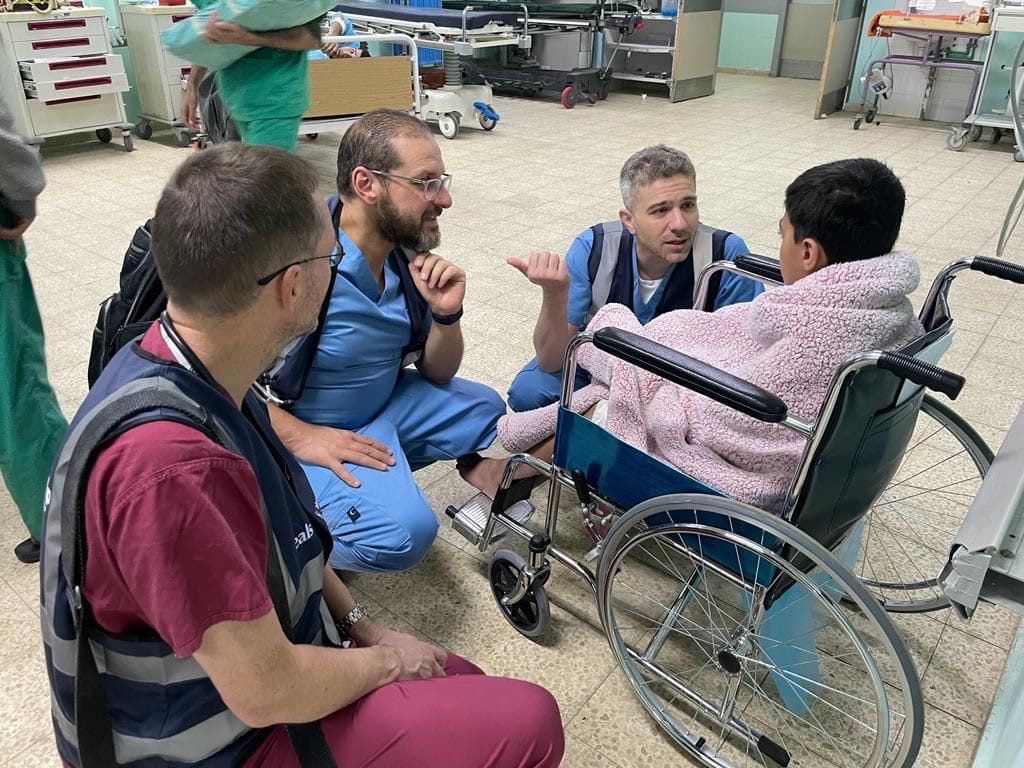
It was here that the reality of the crisis became clear. The hospital was overflowing with trauma cases, injured children, and families with nowhere else to turn. Many patients required urgent treatment or medical evacuation, but the local health care system lacked the capacity.
The Medical Team
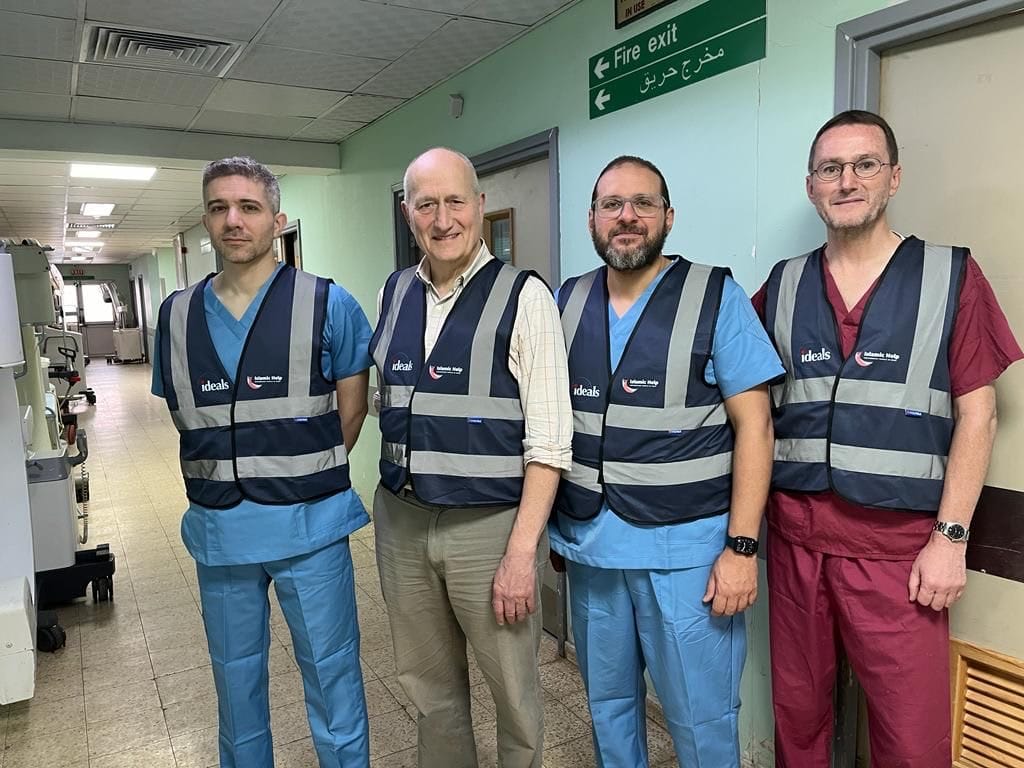
Islamic Help deployed a highly specialised emergency medical group:
- Dr Andy Ferguson – Family doctor & public health specialist.
- Mr Graeme Groom – Consultant trauma & orthopaedic surgeon.
- Mr Basil Budair – Consultant trauma & orthopaedic surgeon.
- Dr Ahmed Kafafy – Consultant anaesthetist & pain management specialist.
Together, they formed a critical unit capable of performing surgeries, managing trauma, providing nerve blocks, and supporting ICU and ward care, all under extreme pressure. Their contribution added essential capacity at a time when local staff were working far beyond normal limits, helping people in Gaza who were arriving at hospitals faster than they could be treated.
“The needs were overwhelming. Every corridor, every ward, every theatre had patients waiting for help. But we knew why we were here, to stand with Gaza’s doctors and support them in any way we could.”
Setting Priorities and Beginning Work
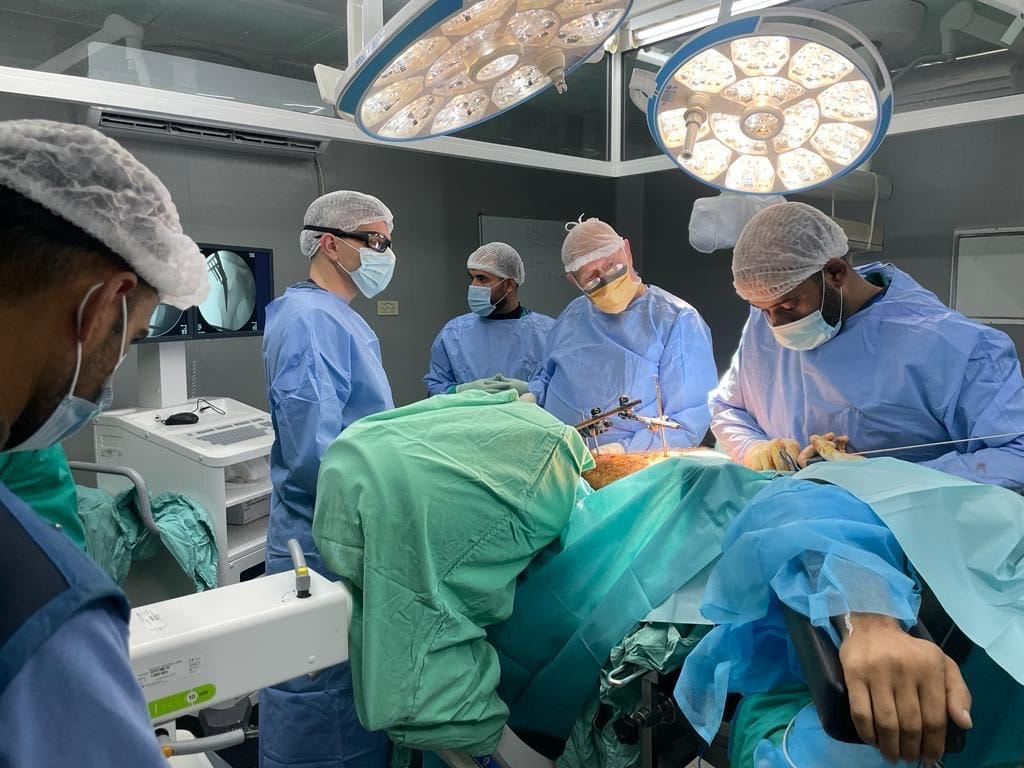
The team began coordinating with the local surgical staff on the evening of 27 December, and by the next morning, 28 December, they started operating.
The hospital environment was challenging:
- Limited sterilisation facilities.
- Shortages of essential equipment.
- Overworked local teams.
- High numbers of acute trauma patients.
This reflected the broader health care challenges across the Gaza Strip, where hospitals were struggling to cope with both new injuries and unresolved medical needs from months of conflict.
Despite this, the Islamic Help team worked past midnight on three days and through the night on another, in addition to full daytime surgeries.
Their dedication meant dozens of people received life-saving care that might otherwise have been out of reach.
Clinical Activity Report (27 Dec 2023 – 7 Jan 2024)
Across just 12 days of clinical reporting, the team delivered:
56 Surgeries
Major procedures, including trauma operations, limb-saving surgeries, and emergency interventions.
5 Nerve Blocks
Used to manage severe pain and allow specific procedures to go ahead despite limited anaesthetic capacity.
126 Consultations
Including ward rounds, pre-operative assessments, and post-operative care.
Total medical interactions: 187
This included children, adults, and elderly patients, many with complex or conflict-related injuries.
One doctor shared:
“Some patients had been waiting days for surgery. Others arrived directly from bombardments. Every case reminded us of the human cost of this crisis.”
Your support helps us keep medical teams on the ground in Gaza and provide urgent medical aid, surgical supplies, and lifesaving care for families.
Humanitarian Challenges on the Ground
Even with experience in global emergencies, the team described Gaza as uniquely challenging:
1. Limited hospital capacity
Wards were overflowing, often with two or three patients to a bed, one of the most critical aspects of the Gaza hospital crisis.
2. Shortages of equipment and supplies
Basic surgical tools and dressings were scarce due to restrictions, bombardments, and damaged supply routes.
3. Communication gaps
Coordination with local staff was sometimes complex due to overcrowding, stress, and rapidly changing needs.
Still, the local doctors remained incredibly resilient. Islamic Help’s deployment offered vital reinforcement to a system pushed far beyond its limits, similar to the support provided by the Red Cross and Red Crescent in other regions experiencing humanitarian emergencies.
Are follow-up missions recommended?
Yes. The team strongly advised returning with additional medical staff to support:
- Paediatric care.
- Maternal and obstetric services.
- Post-surgical recovery.
- Long-term rehabilitation.
Their assessment echoed WHO guidance: continuity of care is critical for Gaza.
Islamic Help has since continued organising follow-up deployments to meet these urgent needs.
Mission Duration and Funding
- Total days deployed: 30 days
- Dates: 24 December 2023 – 24 January 2024
- Funding: Emergency Fund
- Entry denied? No
This mission was made possible through your donations, which funded both the deployment and the medical supplies delivered to Gaza. Your support allowed us to reach some of the most vulnerable people in Gaza during a time when access to food, water, and medical care was severely limited.
Lessons Learned for Future Deployments
The team highlighted several key improvements:
Ensure critical surgical supplies are pre-stocked
Demand far exceeded local availability.
Strengthen communication channels
Better coordination improves patient prioritisation and theatre scheduling.
Increase support to paediatrics and maternity
These groups often suffer the most during prolonged crises.
Maintain continuous presence
Short missions help, but ongoing rotations ensure long-term care.
Will the Same Doctors Go Again?
Yes, several team members expressed willingness to return. Their experience, combined with their familiarity with Gaza’s hospitals, makes them uniquely valuable for future humanitarian missions.
One surgeon said:
“If they need us again, we will return. The people of Gaza deserve every possible effort.”
Why This Work Matters
This deployment is just one part of Islamic Help’s broader commitment to medical aid in Gaza and humanitarian support across Palestine. Each mission represents hope, not only through surgeries completed, but through solidarity shown during the most challenging times.
Your support allows us to stand with the people of Gaza when they need it most, ensuring that lifesaving medical care continues despite the overwhelming pressures facing the region.
Islamic Help’s medical teams are on the ground providing trauma care, surgeries, and essential hospital support. With your help, we can send more specialists and more supplies to where they are desperately needed.
Support Emergency Medical Aid to Gaza
Dr Andy Ferguson
Frequently Asked Questions (FAQs)
What was the main goal of the Islamic Help emergency medical mission in Gaza?
The mission aimed to deliver urgent medical aid to Gaza, support overworked local doctors, and assess humanitarian needs. During the Gaza hospital crisis, Islamic Help’s medical team provided trauma care, surgery, and critical hospital support, ensuring lifesaving treatment reached patients when the health system was overwhelmed.
2. Who were the doctors in the Islamic Help Gaza medical team?
Islamic Help’s team included Dr Andrew Ferguson, Mr Graeme Groom, Mr Basil Budair, and Dr Ahmed Kafafy, specialists in trauma, surgery, anaesthesia, and public health. Together, they performed operations, managed pain, and assisted local doctors, adding vital capacity during one of Gaza’s worst health emergencies.
3. How many patients did Islamic Help treat during the Gaza deployment?
In just 12 days of clinical work, the Islamic Help team completed 56 surgeries, five nerve blocks, and 126 consultations, a total of 187 medical interactions. These included lifesaving trauma operations, pain management, and post-operative care for children, adults, and elderly patients in Gaza’s overcrowded hospitals.
4. Why is humanitarian medical aid in Gaza so important?
Humanitarian medical aid in Gaza saves lives amid collapsing hospital infrastructure, equipment shortages, and severe conflict-related trauma. With over two million people facing restricted access to healthcare, missions like Islamic Help’s ensure that critical surgeries, pain relief, and emergency care continue despite overwhelming strain on the local health system.
5. What challenges did the Islamic Help team face inside Gaza hospitals?
The team encountered limited hospital capacity, critical equipment shortages, and overcrowded wards. Despite harsh conditions, they worked with local doctors who remained resilient under constant pressure. These challenges highlight the urgent need for sustained medical aid and long-term support for Gaza’s healthcare infrastructure.
6. Will Islamic Help send more medical missions to Gaza?
Yes. Follow-up medical missions are planned to strengthen paediatric, maternal, and rehabilitation care in Gaza. Islamic Help’s doctors are committed to returning, ensuring continuity of care and supporting local hospitals overwhelmed by crisis. Sustained deployments are crucial for rebuilding healthcare capacity and saving more lives in Palestine.