Denied Entry to Gaza: Medical Aid to Palestine
British surgeons Dr Victoria Rose and Mr Graeme Groom were denied entry to Gaza for the third time, blocking a vital medical mission as hospitals face mass casualties and rising child malnutrition. Their story highlights a worsening crisis and the urgent need for medical aid support.

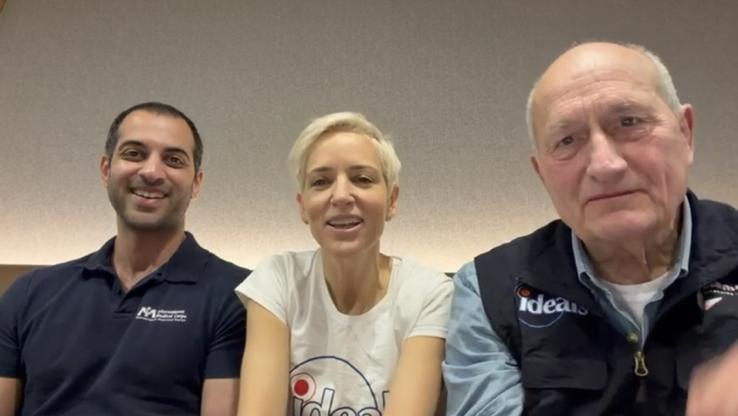
At a small hotel on the edge of the Gaza Strip, our British surgeons, Dr Victoria Rose and Mr Graeme Groom CMG, sit with deep frustration and sadness. They came to the occupied Palestinian territory ready to begin a critical medical mission. Instead, for the third time this year, they received a message no humanitarian doctor wants to hear:
They were denied entry to Gaza. Again.
“It has been hugely upsetting for us,” Dr Rose says quietly. “We were carrying a lot of equipment and supplies… and had a lot of work lined up to do. It’s been a hugely disappointing day.”
For both surgeons, this mission was meant to support exhausted medical teams working in central Gaza, where hospitals are overwhelmed by mass casualties, children in Gaza suffering from acute malnutrition, and families facing some of the worst living conditions since October 2023.
Humanitarian Aid Blocked at the Border
Both Dr Rose and Mr Groom have visited Gaza many times with Islamic Help, a long‑standing Gaza charity delivering humanitarian aid, clean water, medical care, hygiene kits, and psychosocial support across Gaza and the West Bank.
This mission was planned months in advance. They carried surgical tools and specialist supplies, funded by donors who wanted to support families and provide life‑saving operations.
But instead of crossing into Gaza, they were told the authorities would not allow them to enter.
Mr Groom described the situation bluntly:
“The restrictions on humanitarian aid entering Gaza are hidden behind the camouflage of the ceasefire, which in effect is rather Orwellian. The ‘ceasefire’ is being enforced with bombs.”
The surgeons say humanitarian corridors remain unpredictable, even during pauses in fighting. While aid is supposed to pass freely, doctors face confusing restrictions imposed by multiple authorities, including those controlled by the Israeli military and other security bodies.
Dr Rose explains one example:
“Humanitarian workers can take no more than 1,000 shekels and no more than 3 kilograms of food. If you’re deploying for a month, that simply isn’t possible. Markets are understocked, and prices are inflated. This directly targets humanitarian workers.”
Medical teams also reported that even basic tools, like a stethoscope, were confiscated from doctors trying to enter. One doctor was turned back for carrying standard surgical equipment because it appeared on the “dual‑use” list.
Even tent poles were banned.
“We weren’t expecting to see tent poles on the dual‑use list… it means you can’t even put up a tent in Gaza,” Dr Rose says.
This is especially painful when families live in makeshift shelters, lacking clean water, secure housing, or food, conditions that worsen acute malnutrition among children.
What Doctors Are Trying to Reach Inside Gaza
Inside Gaza, hospitals are overcrowded and operating under immense pressure. Since October 2023, the combined impact of conflict, displacement, and damaged infrastructure has created a deep health emergency.
Islamic Help partners on the ground report that:
- Many health care facilities have been damaged or destroyed.
- There are severe shortages of medicine and surgical tools.
- Children arrive with complex blast injuries.
- Cases of acute malnutrition continue to rise.
- Families live without reliable clean water or sanitation.
When these surgeons have been allowed in, they have helped treat some of the most critical cases among children in Gaza. Their work focuses on trauma surgery, reconstructive care, nerve repair, and severe injury management, services that are extremely limited in the Gaza Strip today.
The story of Juri, a young girl treated by Dr Rose and Mr Groom, shows exactly why their presence matters and why Medical Aid Palestine and Medical Aid Gaza programmes are so vital.
Juri’s Story: A Life Saved Against All Odds
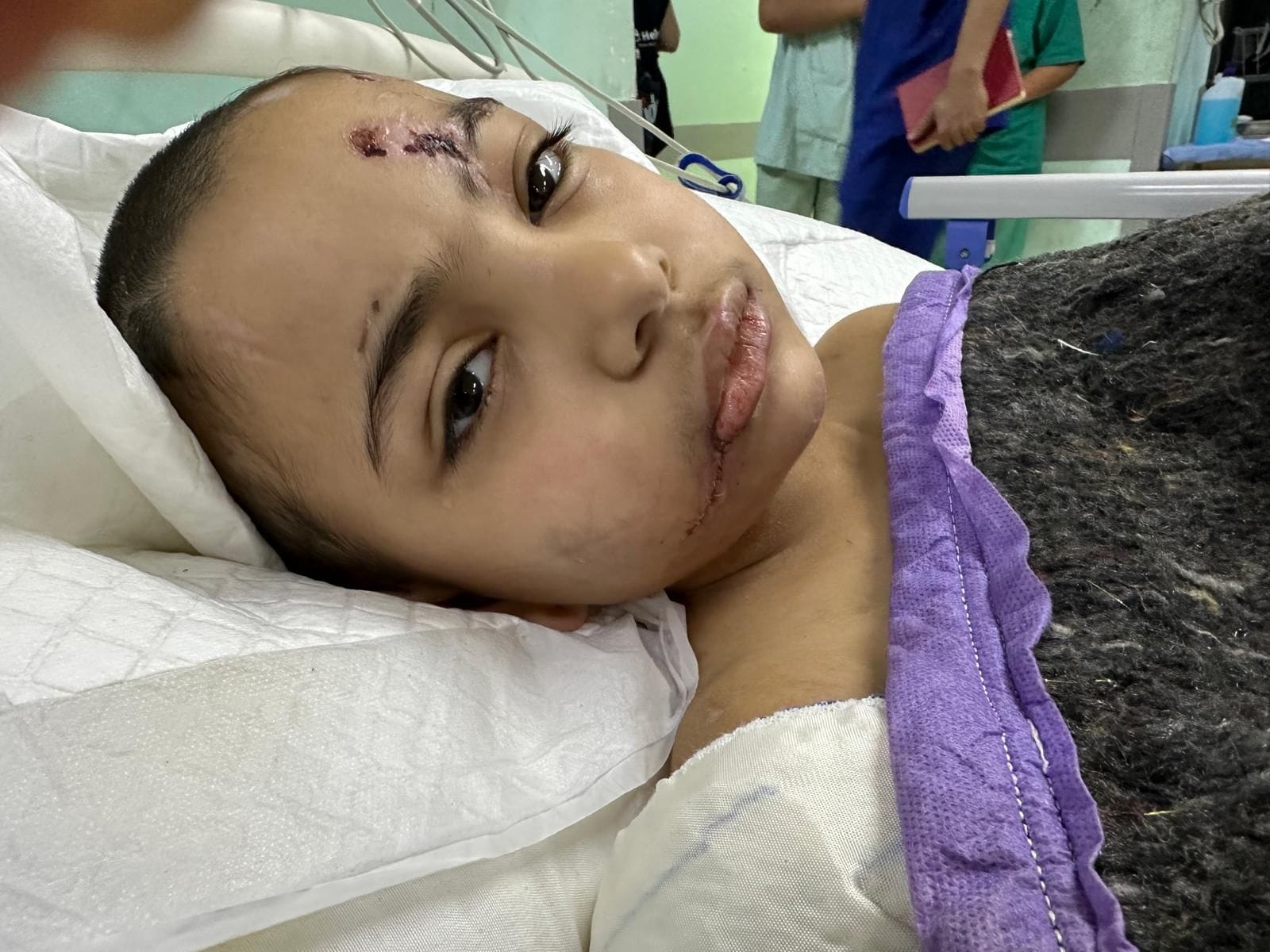
During a past mission, the surgeons met 9‑year‑old Juri in the European Gaza Hospital in Khan Younis. She had been severely injured when her home was struck during fighting involving Israeli forces.
Her injuries were devastating:
- A section of her femur blown away.
- Significant nerve damage.
- Deep infected wounds.
- Severe loss of muscle and tissue.
- Wounds full of maggots.
But as Dr Rose explains:
“The only reason she wasn’t dead was because maggots had infected her wounds… they kept the dead tissue clean.”
The team performed a series of life‑saving surgeries:
- A trauma surgeon created a temporary colostomy.
- Mr Groom shortened and stabilised her shattered leg.
- Dr Rose repaired the main nerve in her thigh.
These operations required specialist expertise not widely available in central Gaza due to shortages created by conflict and restrictions on humanitarian aid.
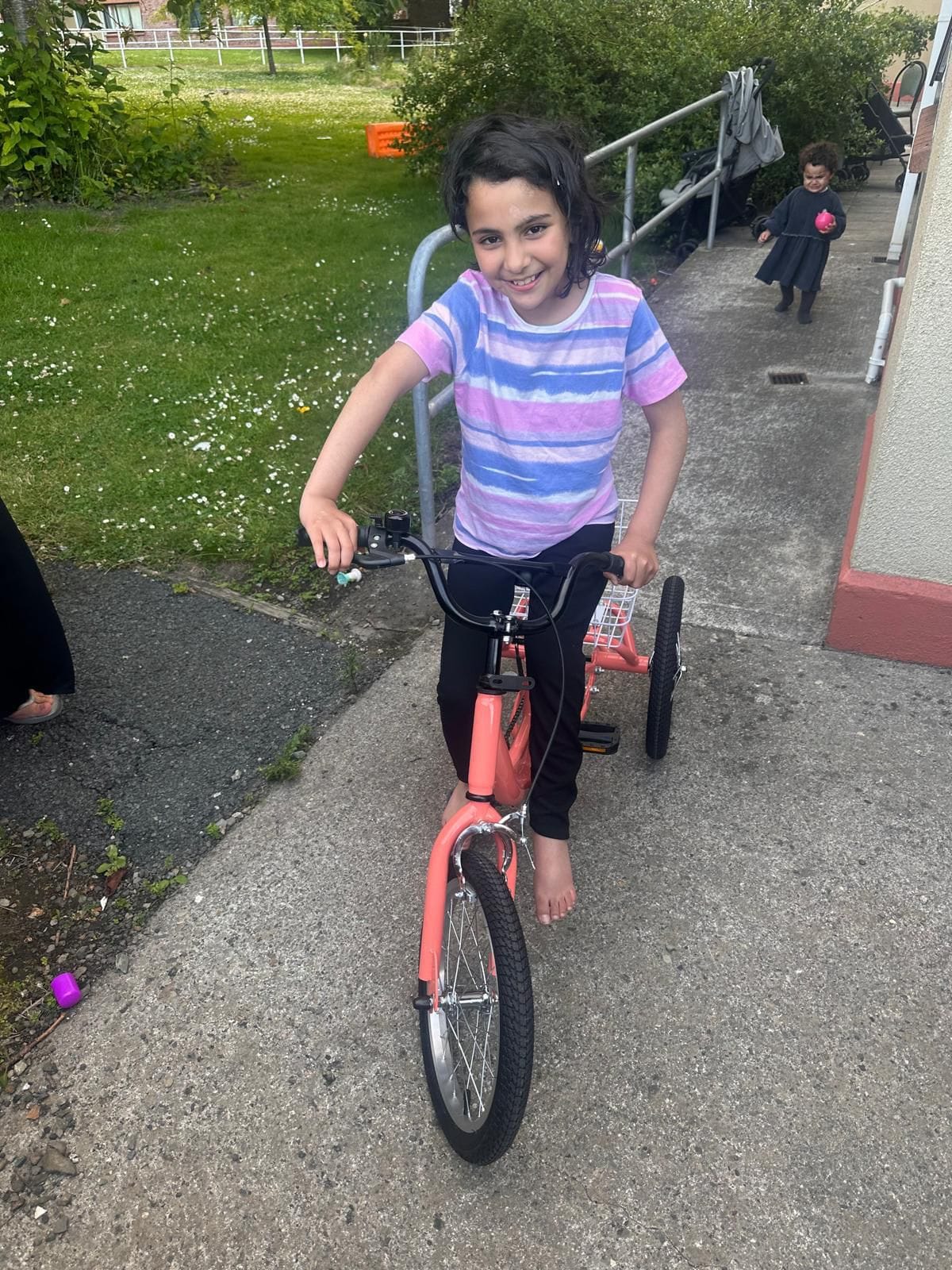
With support from Islamic Help and other organisations, Juri was evacuated and is now receiving long‑term treatment in Ireland. Her doctors shared a video of her riding a bicycle, smiling again.
Mr Groom reflected:
“She was close to death… and now she is a delightful little girl riding her bike.”
For the surgeons, Juri represents what is possible when volunteers are allowed to work, and when people donate to Palestine and stand behind trusted Palestine charity partners on the ground.
Living Conditions Growing Worse
Even if the surgeons cannot currently enter the Gaza Strip, their message to the world is clear: support is urgently needed.
Today, vast numbers of families in Gaza live in tents or damaged buildings. With destruction across Gaza and the West, communities lack:
- Clean water and safe sanitation.
- Proper sewage systems.
- Functioning health care facilities.
- Reliable electricity.
- Secure shelters and regular food supplies.
These conditions create a perfect storm for disease outbreaks and acute malnutrition, especially among babies and children in Gaza.
Islamic Help continues to deliver:
- Hygiene kits to improve basic cleanliness.
- Emergency medical care for the wounded and sick.
- Safe, clean water systems and repairs.
- Food packs to help support families facing hunger.
- Psychosocial support for traumatised children.
- Shelter materials for those displaced by the violence.
But demand far outweighs supply. Every new round of violence brings more casualties, more displacement and more fear.
Dr Rose and Mr Groom insist the world must not turn away.
Their Message to Supporters
Even after being denied entry, the surgeons expressed deep gratitude for Islamic Help and for everyone who supports its Palestine charity programmes.
Mr Groom said:
“Our principal purpose was to say thank you to Islamic Help for supporting us in coming here… we hope to continue the struggle by other means.”
A message sent by a Palestinian colleague moved them deeply:
“Even if they blocked our passage, our souls still arrived in Gaza.”
This single sentence gave the surgeons strength to continue and reminds all of us that solidarity can cross any border.
How You Can Help: Donate to Gaza Medical Aid Today
The situation in the Gaza Strip is not only a humanitarian crisis, but it is also a test of compassion. Islamic Help’s volunteers, like Dr Rose and Mr Groom, stand ready to provide life‑saving care. But they cannot act without support.
If you are looking to:
- Donate to Palestine or Donate to Gaza.
- Support Medical Aid Gaza and Medical Aid Palestine.
- Back a trusted Gaza charity working in the occupied Palestinian territory.
- Help deliver urgent humanitarian aid to families affected by the actions of armed groups and the Israeli military;
Then your donation today can directly support doctors, provide surgical tools, supply medicines, improve living conditions, and give hope to families who have lost everything.
Your support can save lives. Your support can create another story like Juri’s. Your support can keep hope alive.
Frequently Asked Questions (FAQs)
Why is humanitarian aid blocked from entering Gaza?
Israel has imposed a complete blockade on humanitarian aid entering Gaza, citing security reasons and concerns about aid diversion. This has left essential supplies like food, medicine, and water critically low, putting millions, especially children, at risk of starvation and disease.
How are medical teams affected by the Gaza blockade?
Medical teams face severe entry restrictions and unpredictable controls at borders. Surgeons and aid workers are often denied access, surgical equipment is confiscated, and existing hospital staff are overwhelmed by mass casualties and supply shortages.
What is the current health situation in Gaza?
Gaza faces a catastrophic health crisis: hospitals are overcrowded or destroyed, and there are severe shortages of medicines and surgical tools. Acute malnutrition and disease outbreaks are rising rapidly among displaced families and children.
Who delivers aid inside Gaza when blockades occur?
Local and international NGOs, including UN agencies, traditionally deliver aid. However, as blockades harden, these groups struggle to enter, and many rely on scarce goods in local markets or provide cash assistance through local partners, while UNRWA warns of rising malnutrition deaths.
Can foreign doctors or volunteers access Gaza hospitals now?
Access for foreign doctors and humanitarian volunteers is severely restricted; as of mid-2025, over half of entry requests are denied, often without explanation. Even approved missions face close monitoring and limitations on what can be brought in.
How can people support Gaza or donate to medical aid?
Supporters can donate to reputable international charities or NGOs specializing in medical aid and humanitarian support for Gaza. These donations help fund emergency medical care, food, water, and essential supplies for those in urgent need.